Table Of Content
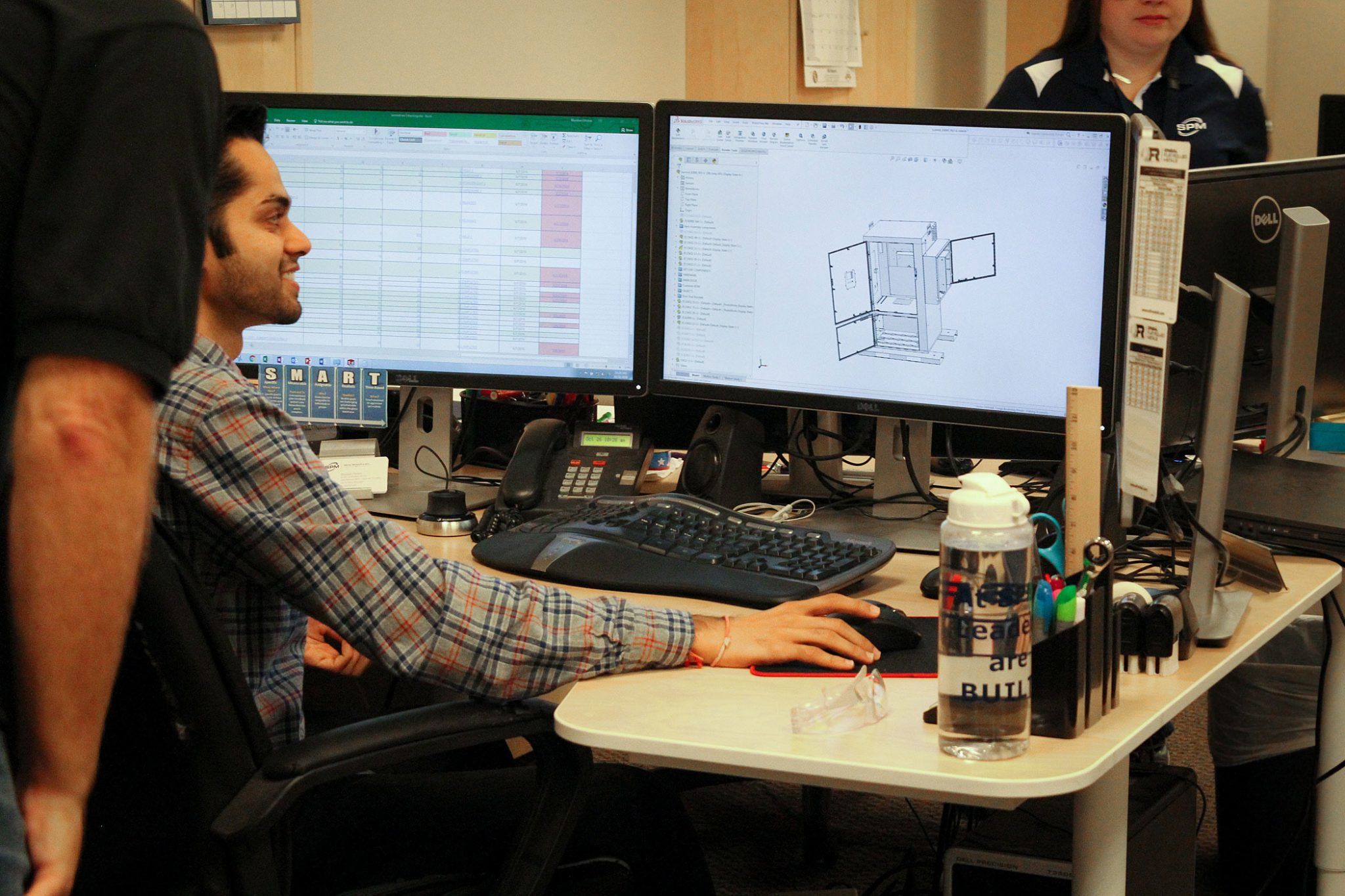
Let’s look at some tips of designing for manufacturability used by CAD services experts and mechanical engineering professionals. To leave no stone unturned in this analysis, DFM software should be comprehensive, with the ability to estimate manufacturability implications ranging from production and labor to distribution. But even the most comprehensive analysis won’t unlock the benefits discussed in the guide if it’s not applicable in the context of a fast-paced, collaborative design effort. The right manufacturing cost modeling software makes it far easier to generate detailed insight into cost structure that can impactfully inform supplier negotiations.
Streamlined product development process
Standardized components are usually more readily available and less expensive than custom parts. This also simplifies inventory management and can speed up the manufacturing process. Manufacturability refers to the ease of manufacturing a product, which is highly desirable in DFM.
What are the benefits of DFM?
Undercuts are protrusions or recesses in the design that prevent the mold from sliding away from the part. If the design element causing the undercut is absolutely necessary it’s possible to get around it by using a slide, but that increases the price of the tool. A final environmental consideration is the environment in which the product will be used.
How do you get the most out of DFM?
Materials like metals are available in various forms, such as bar stock, plates, strips, and sheets. The properties of these forms can differ significantly, even when the material itself is the same. This article presented DFM, explained it, and discussed its process and various examples. Design for Manufacturing (also known as Design For Manufacturability or DFM) is often confused with Design for Assembly, but in reality, they are separate methodologies. They can be combined into a single production method though, called Design for Manufacturing and Assembly (DFMA).
Voxel Announces Seed Financing to Drive Additive Manufacturing with AI Design Platform - Business Wire
Voxel Announces Seed Financing to Drive Additive Manufacturing with AI Design Platform.
Posted: Tue, 23 May 2023 07:00:00 GMT [source]
A Guide to Design-for-Manufacturing (DFM) Principles
During DFM, we only consider normal operating conditions to eliminate unnecessary manufacturing costs. At first glance, it may seem like a wise decision to cut down on raw material costs wherever possible, as long as the desired strength is not compromised. This is understood by any engineer worth his salt but may not be so clear to designers that create product prototypes.
Rafael Uses DFM to Reduce Costs and Improve Sourcing
Design for manufacturing (DFM) contributes to product innovation and efficiency by integrating manufacturing considerations into the design process. This approach allows for the identification and elimination of potential manufacturing constraints early on, fostering innovation through more feasible designs. By optimizing designs for manufacturing, DFM enhances efficiency by streamlining production processes and reducing costs. By focusing on manufacturability, designers can identify potential issues early in the design phase, leading to improved product quality and reliability.
The Importance of DFM in a Precision Machine Shop
The corner of the square would be the largest distance away from the targeted center of the hole. This distance is not the same from the center all around, because it is a square tolerance zone. The holes and the bolts are both round, so functionally, there is no reason that the tolerance zone could not extend the max distance (target center of the hole to the corner of the square) all around. The goal when dimensioning the position of the holes would be to make sure the centers of the holes are not too far away from their targets. In addition to having all stakeholders represented in the design phase, there needs to be effective communication.
A significant contributing factor to the cost of a machined component is the geometric tolerance to which the features must be made. The tighter the tolerance required, the more expensive the component will be to machine. When designing, specify the loosest tolerance that will serve the function of the component.
DFM focuses on reducing the required number of manufacturing operations while still meeting the product’s functional requirements. It also aims at reducing the complexity of the operations and using cheaper and readily available materials and processes wherever possible. As the manufacturing becomes more efficient over time, the company can turn its attention to other aspects that have an effect on the manufacturability of the product by broadening the scope of DFM. Factors such as product dimensions and weight, tooling costs, scrap reduction, labor costs, overheads, etc. can all be optimised using DFM techniques. These factors affect the product cost structure directly and optimising these areas can improve the overall efficiency of the organization. An effective Design for Manufacturability process ensures that when the time comes to increase production levels the manufacturing setup is easy to scale up.
Coupled with their dedication to Design for Manufacturability (DFM), Toyota has set industry standards that prioritize efficiency, quality, and innovation. Parts should be easy to align and assemble without requiring specialized tools or equipment. Self-locating and self-fastening designs can significantly reduce assembly time and minimize the chance of incorrect assembly.
Protolabs launches instant manufacturability analysis for 3D printing - TCT Magazine
Protolabs launches instant manufacturability analysis for 3D printing.
Posted: Mon, 20 Feb 2023 15:30:54 GMT [source]
The bell curve shows measurements on a particular dimension, including the Upper Spec Limit (USL) and Lower Spec Limit (LSL), which is based on the tolerances. The tighter the tolerance, the narrower the bell curve has to be for the dimensions to be in spec. The chart below shows the drop in yield and the rise in cost as the tolerance increases. Using non-customized modules/modular assemblies in your design allows you to modify the product without losing its overall functionality. A simple example is a basic automobile that allows you to add in extras by putting in a modular upgrade. Again, be sure to discuss the material with your contract manufacturer, who might have access to existing materials in their portfolio which would allow you to secure lower material pricing.

DFM considerations should be brought into the product development as early as possible. This ensures that the design evolves with manufacturability in mind, reducing costly revisions later. Early-stage DFM assessments can involve basic calculations and heuristic methods, but they set the stage for more detailed analyses as the design matures.


No comments:
Post a Comment